

Packaging Design: Making Your Product the Buyer's First Choice
In a fraction of a second at the store shelf, a buyer decides which product to pick up. In that moment, packaging works not as protective wrapping but as a full-fledged sales tool.
What's Included in Packaging Design Service
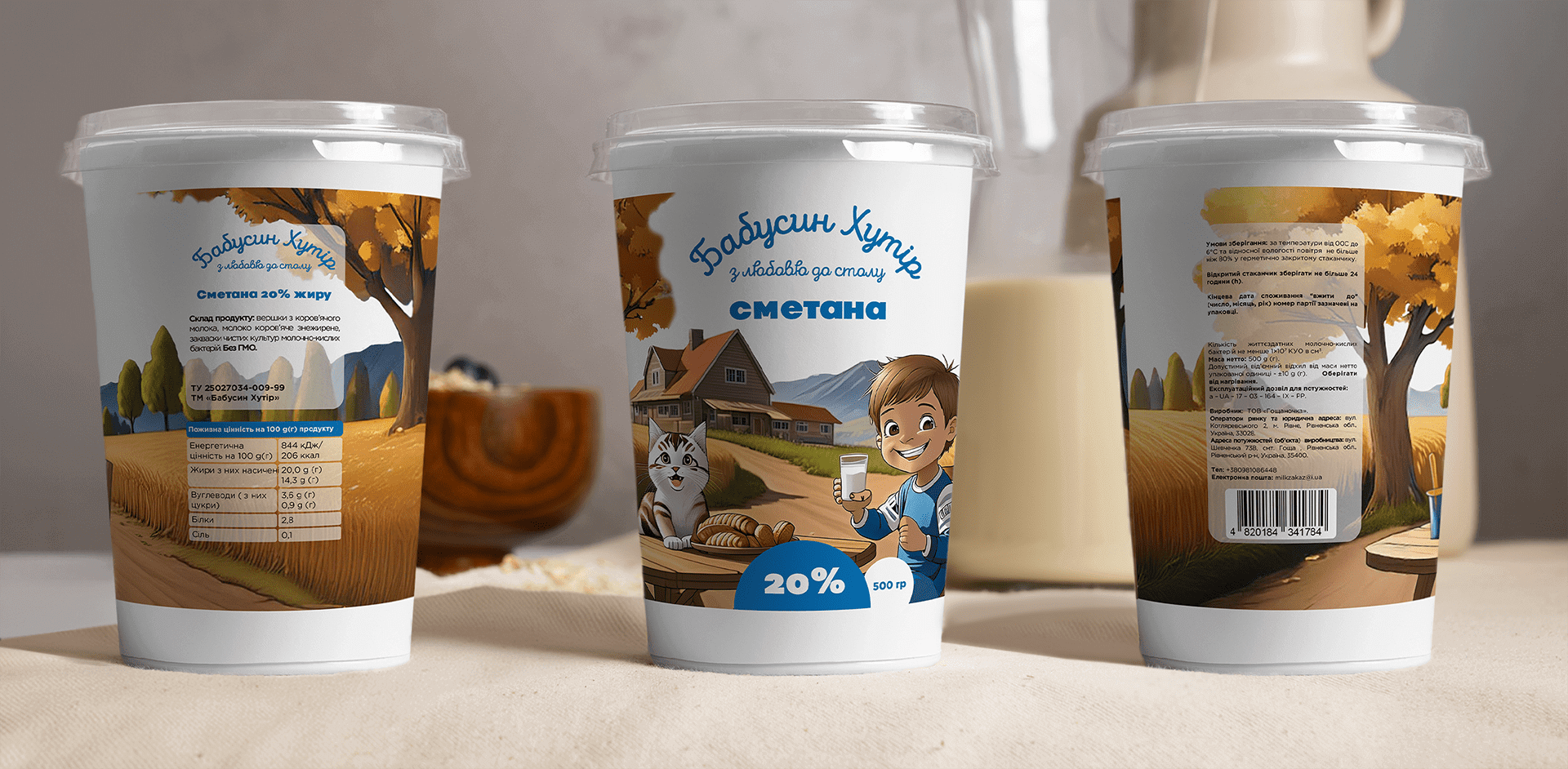
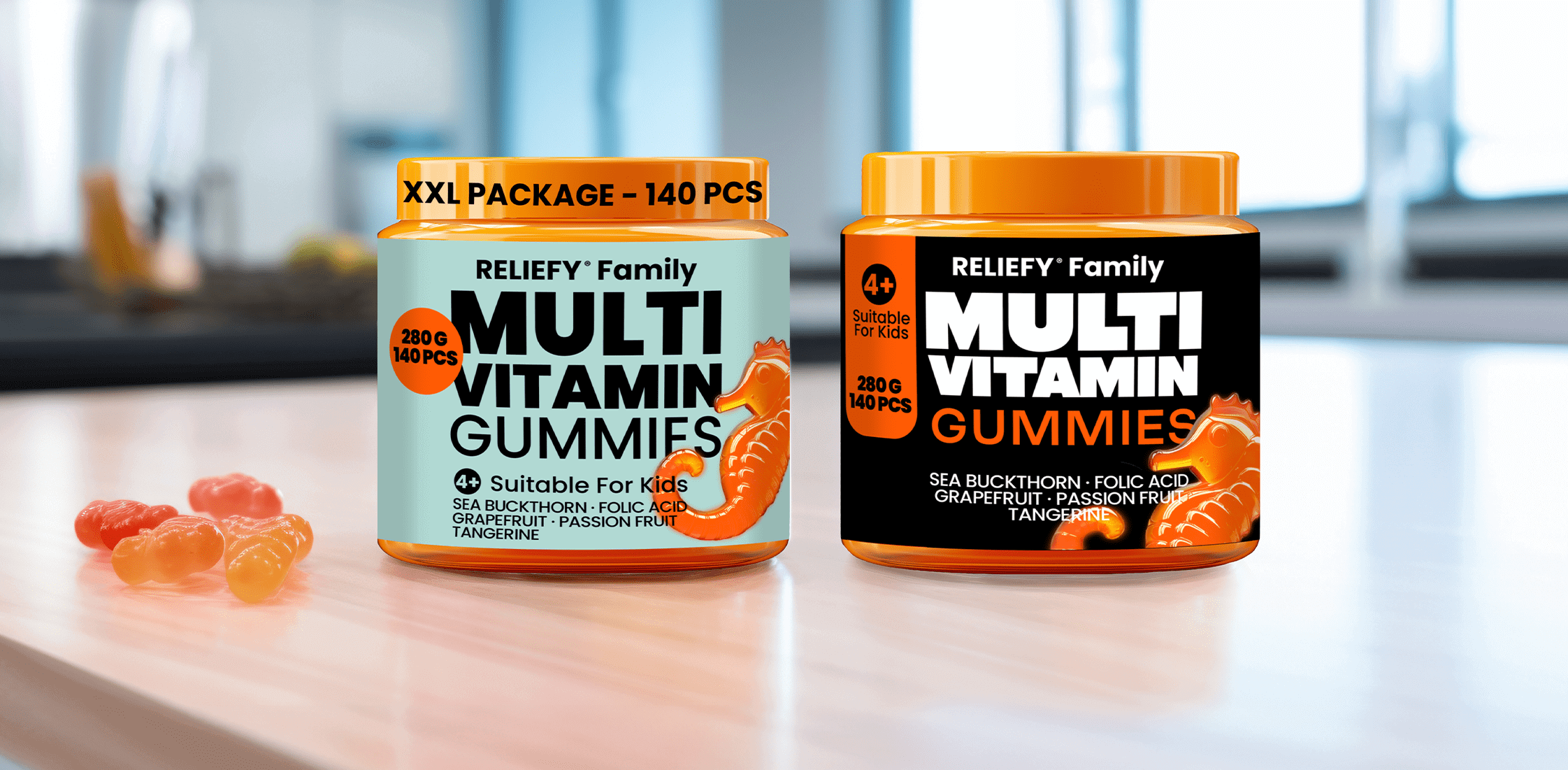
Label design. The label carries key product information and forms the first visual impression.
Tag design. For products where the label isn't the main element, the tag often serves as the primary brand carrier.
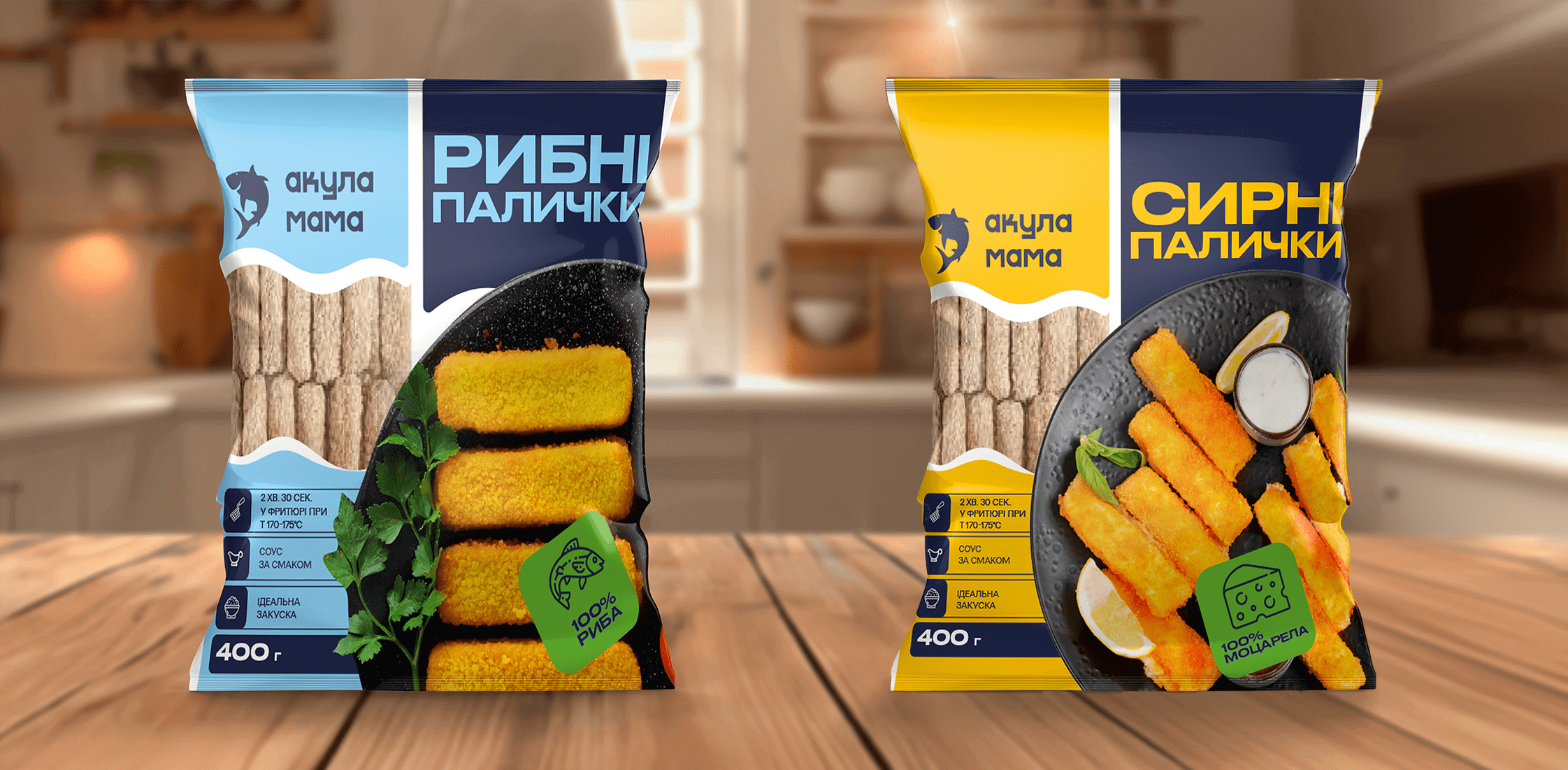
Bag design. A packaging bag is both a functional element and a brand carrier.
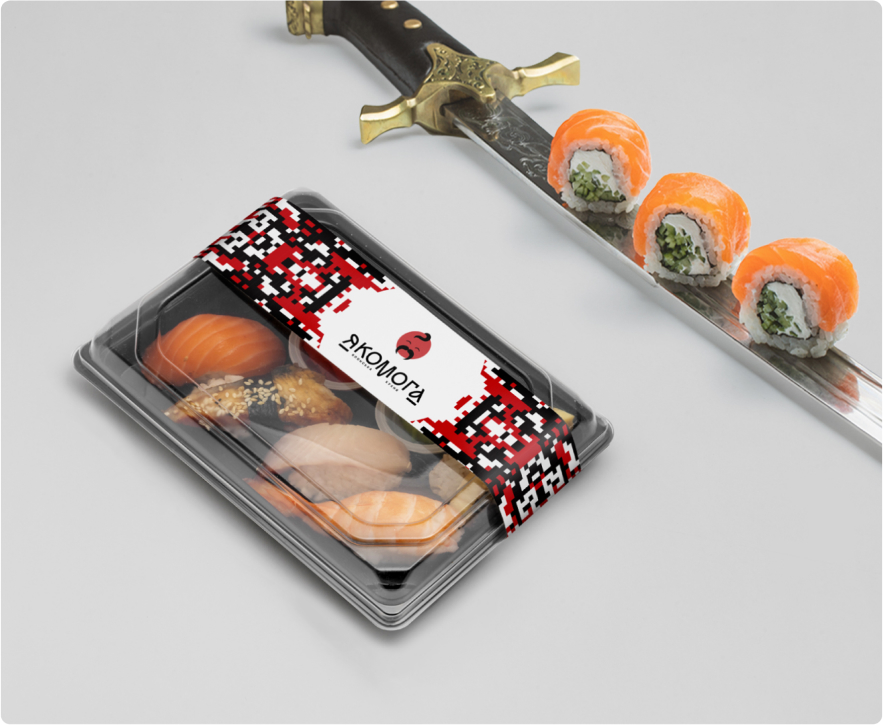
Box design. For premium products, the box creates an "unboxing effect."
Tasks Packaging Design Solves
- attracts attention among competitors on the shelf;
- visually reflects the price segment and product positioning;
- maintains an emotional connection with the consumer;
- drives the desire to purchase right now;
- communicates important product and manufacturer information.
How We Build the Process
1. Brief completion. This stage requires maximum client involvement.
2. Market analysis. We study competitors, target audience behavior, and current trends in the niche.
3. Concept development. Based on the brand's idea and values, we propose several design options.
4. Approval and refinement. The chosen design is adapted across the entire product line.
5. Production preparation. Final layouts are prepared according to technical print requirements.
Consumer Psychology in Packaging Design
Purchase decisions are rarely rational — in most cases, it's an emotional reaction later justified by logical arguments.
What We Offer Within the Service
- Label development for a specific product or line;
- Complete packaging design — from concept to final layout;
- Production support and color proof coordination with the printing house;
- Material selection matching the brand's budget and goals.
Why Trust Us With Your Packaging Design
- Over 5 years of experience in design and branding;
- Full immersion into the project;
- We offer only solutions that actually work for sales;
- We strictly follow agreed deadlines;
- We maintain constant, constructive communication.
One of our case studies — packaging design for FLUPS, a pet food brand, where the packaging stands out on the shelf among competitors.
Ми максимально зануримося у вашу ідею.Наша команда має величезний досвід у створенні брендів різних напрямків та сфер.Давайте творити разом!Розробляємо:Неймінг.Візуальний стиль.Логотип.Торгова марка.


